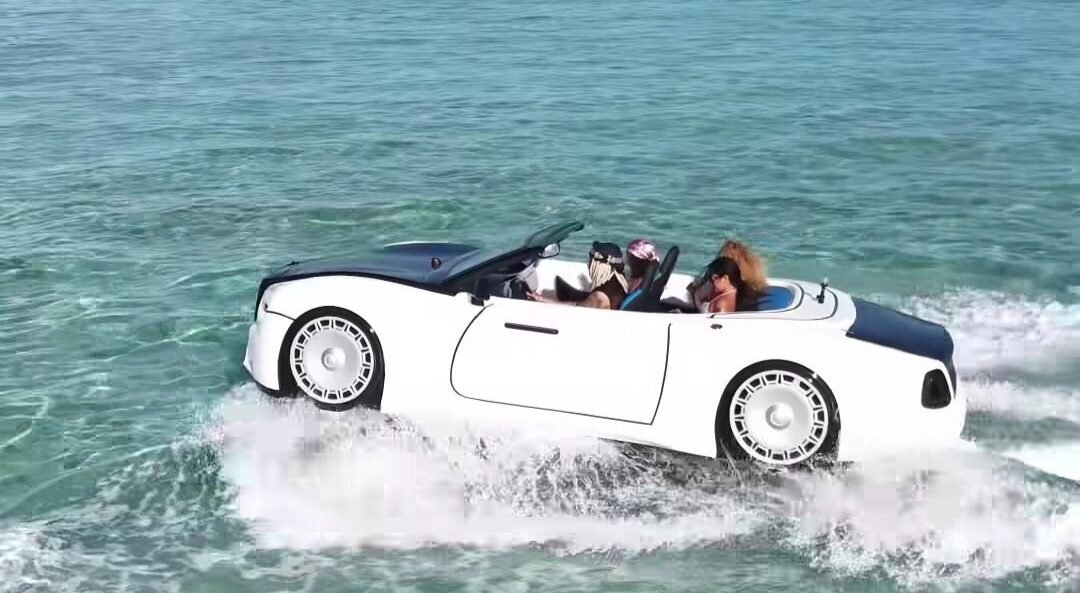
Marine Boat: The Ultimate Watery Adventure

Get ready for an unforgettable time with the Water Boat Car, a truly innovative mode of travel! This amazing creation seamlessly blends the fun of a car with the freedom of a boat, allowing you to discover both land and water with ease. Imagine cruising across a river one minute, and then traveling down a path the next! The Water Boat Car offers a new perspective on recreational activities and promises hours of joy for the whole crew. It’s the perfect method to join your passion for both automobiles and the water!
Revolutionizing Aquatic Travel
The emergence of hydro-powered vehicles is poised to radically alter the landscape of marine transport. These innovative machines, utilizing water propulsion , offer a new era for navigating waterways. Forget traditional boats ; jet cars provide a faster and potentially more efficient option for individual movement across lakes , indicating a true revolution in how we perceive marine travel .
Examining Hydro Vehicle Innovation
The cutting-edge area of water jet craft engineering presents a captivating look into the horizon of travel . Scientists are diligently developing systems that employ powerful liquid jets for movement , allowing these specialized creations to glide across expanses of liquid . Recent progress focus on refining performance , reducing planetary effect, and expanding the applicability of this remarkable idea .
The Future of Water Travel: Jet Car Design Trends
The evolving landscape of water travel is seeing significant shifts, particularly concerning jet car style. We're witnessing a move away from classic bulky designs toward sleek and eco-friendly alternatives. Various key trends are influencing the prospect of these rapid vessels. These include:
- Hydrodynamic Optimization: Engineers are increasingly focusing on lowering drag and enhancing hydrodynamic performance through sophisticated hull shapes. Expect to see more biomimicry designs – mimicking oceanic life for outstanding movement.
- Electric Propulsion: The increasing concern for environmental impact is driving a fast adoption of electric propulsion systems. This leads to low-noise operation and minimal emissions.
- Lightweight Materials: Composite materials are becoming traditional metals, resulting in nimble and more resource-conservative jet vehicles.
- Modular Design: Versatility is essential. We're poised to see more modular layouts allowing for modification and easy component substitution.
The overall aim is to create jet craft that are not only dynamic to ride but also environmentally-conscious for the globe. This suggests a bright prospect for water travel.
Meet the Rocket Car Builders Shaping the Field
Several groundbreaking firms are currently propelling the charge in jet transportation technology. Including these, Reaction Engines stands out for its record-breaking achievements, while rising stars like Fury Racing are pushing boundaries with sustainable power systems. Also, developers focused on compact design and retail applications, such as Aero Mobility , are gradually entering the arena , suggesting a future where jet-powered travel becomes more widespread.
Picking a Hydro Vehicle vs. High-Speed Car : Which is Best for You ?
So, you're get a powerful vehicle , but are unsure between a standard water boat and a advanced jet car ? Both present a unique ride on the lake , but they appeal to varying requirements. Water boats are typically more predictable , enabling them ideal for those new to the sport or groups wanting a peaceful journey. They can accommodate choppier water effectively. Conversely , jet vehicles shine at impressive velocities , offering an thrilling performance . However , they demand greater skill to control safely and are often adaptable in difficult water . In conclusion, the perfect selection relies on your budget , experience level , and planned application.
- Evaluate your resources.
- Determine your experience rating .
- Consider the benefits and cons of each style.
High-Speed Excitement : A Detailed Dive into Rocket Car Execution
The breathtaking world of jet vehicle execution offers a distinct experience, pushing the boundaries of velocity and design. These powerful machines aren’t your typical vehicles; they utilize turbo propulsion, delivering unbelievable acceleration and peak speeds often exceeding 300 miles per hour. A intricate interplay of airflow, powerplant design, and components science allows these creations to achieve such exceptional feats, demanding expert handling and a dedicated environment for safe operation.
Luxury on Water: The Rise of the Water Boat Car
The Sports Car on Water growing movement of water boat cars, also known as hydrofoils that blend automobile aesthetics with maritime capabilities, is steadily gaining attention. These unique vehicles offer a high-end journey, allowing owners to seamlessly transition from pavement to sea. The growing demand reflects a need for exclusive mobility solutions, catering to a wealthy clientele seeking the highest in personal indulgence.
A Exclusive Look Inside a Jet Car Designer’s Workshop
Few people ever gain access to the secret world of a jet car manufacturer , and we’re excited to present an unprecedented look. Within this facility, skilled engineers meticulously construct these astounding machines. You’ll see firsthand the sophisticated process, from the initial design phases to the final testing. Highlights include:
- The state-of-the-art engine construction area
- A meticulously arranged parts inventory
- A separate space for chassis building
- Examples of the unique construction methods
It’s the truly fascinating experience that reveals the passion and skill necessary to create this exceptional vehicles .
Water Jet Car Safety: Concerns and Best Practices
The cutting-edge technology of water jet driven cars introduces unique hazards regarding well-being. Significant concerns center around the probable for breakdowns in the water system, leading to unpredictable movement or total loss of direction. Moreover, the impact of the fluid itself poses a risk to people and nearby items. Best methods include thorough system inspection, comprehensive driver training on emergency protocols, the use of secondary systems to reduce failures, and clearly defined operational areas with appropriate fences.
The Environmental Consequence of Jet Craft and Water Craft
Growing popular types of leisure, jet craft and hydro boat, present considerable challenges regarding their ecological footprint. These vehicles, powered by robust engines, often emit damaging fumes into the air, contributing to air degradation. In addition, the turbulence generated by the boats can cause disturbance to banks and harm aquatic environments. Actions are needed to develop sustainable approaches and careful operating methods to reduce their overall ecological harm.
Aqua Boat Craft & Jet Car: A Collector's Guide
These rare boats – often referred to as water cars or jet cars – represent a intriguing niche in the hobbyist's world. Initially designed for waterborne movement, these innovative vehicles combine the principles of automotive and maritime engineering. Locating a well-maintained example can be difficult, requiring extensive research into their background and engineering specifics. Values differ significantly depending on shape, scarcity, and provenance, making it a focused area for serious hobbyists.